
TRANS LIFE
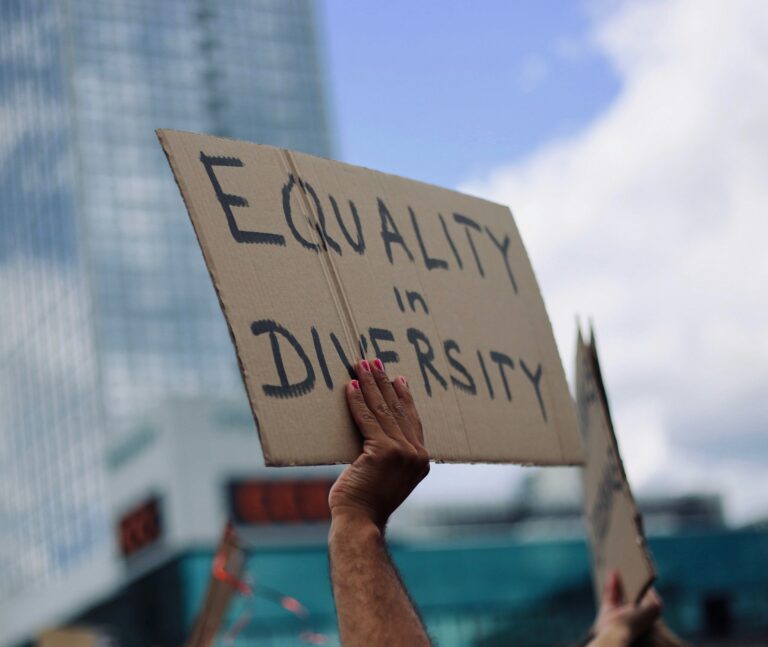
Embracing all strands of gender diversity
Some Useful Definitions
Descriptive terms relating to gender have a useful purpose, but they can be misleading if applied too rigidly. It should be borne in mind that there is a spread of different characteristics that tend to merge into each other at the edges. Usage of these terms may change over time.
- Transgender is an umbrella term and generally describes the case of a person adopting clothing, appearance or lifestyle of a gender different from that assigned to them at birth. The term embraces all aspects of gender variation.
- Biological sex is the physical condition of being male or female, as determined by chromosomes and body chemistry. In puberty it is marked by the development of secondary sexual characteristics, e.g., facial hair in males, breast development in females.
- Gender is often expressed in terms of masculinity and femininity. It is how people perceive themselves and how they expect others to behave towards them. It is an immutable sense of self, an enduring psychological construct, it could be considered in the same way as left-handedness. It may be partly culturally determined but may also be partly determined by brain development in the foetal stage of pregnancy. However, the term is too often used as a synonym for biological sex and the boundaries between the terms have become blurred, which is why the term Gender Identity is preferred.
- Non-binary refers to a class of people who do not identify with a gender consistent with the binary identities of male and female and may or may not regard themselves as being within the trans umbrella. There are many variations that fall within this definition, far too many to list here and include agender – being genderless; androgyne – somewhere between a man and a woman; pangender – having many or all genders; transfeminine or transmasculine – a person assigned male or female at birth who identifies as feminine or masculine but not as a woman or a man respectively.
- Gender fluid is a form of non-binary identity and is usually but not always someone who identifies as two or more gender identities at different times and/or in different circumstances.
- Cisgender is a person whose gender identity, gender expression and biological sex are all congruent (e.g., man—masculine and male; woman—feminine and female). This is a descriptive term and should not be seen as being derogatory in any way.
- Gender Dysphoria is the persistent sense of personal unease and/or distress experienced by trans people through conforming to society’s cultural expectations. It may continue when individuals seek to overcome that anxiety by living in a role more congruent with their gender identity because of the adverse reaction of others. Dysphoria in many trans people can include disgust with their sex characteristics, as these conflict with their gender identity. This is one of the mental health conditions most commonly experienced by trans people and explains the high suicide rate amongst this group.
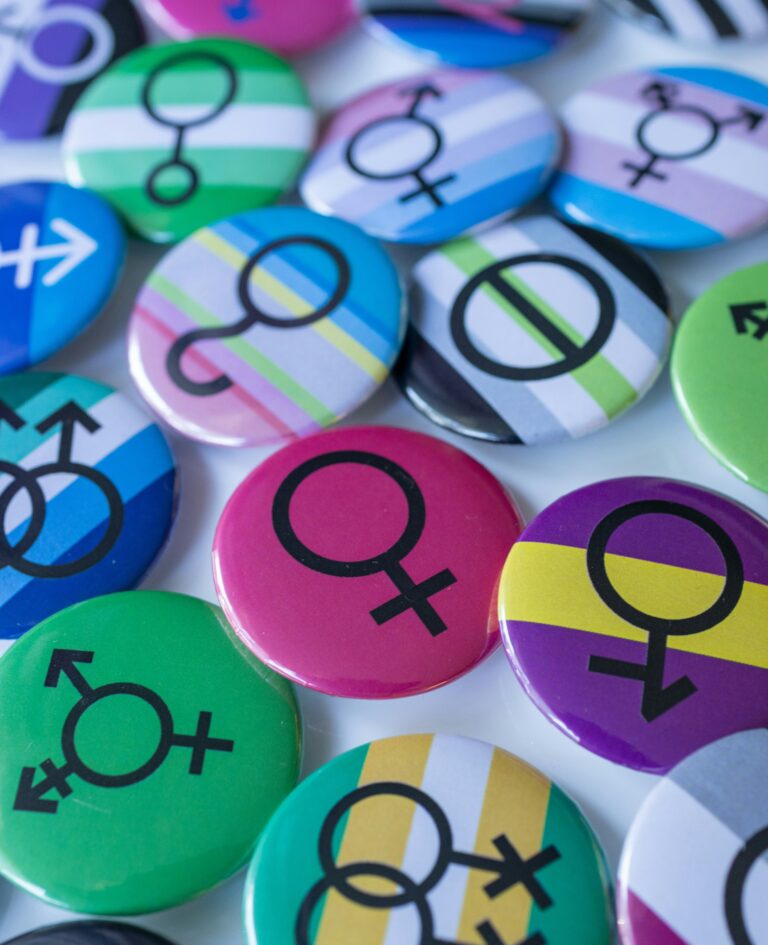
- Transsexual is a term that is most likely to be seen in legal and medical documents. In law a transsexual person is one who ‘proposes to undergo, is undergoing or has undergone gender reassignment’ (Equality Act, 2010) although subsequent legal rulings have expanded the term to include anyone who has started a social transition whether or not their intention is to continue to a medical transition. The term ‘transsexual’ is specific and does not include nonbinary or other gender incongruent identities which are included within the term trans. Apart from in specific legal and medical situations, this is a term that is today only used within the trans community and is derogatory if used by others.
- There are many Different Sex Development (DSD), (formerly known as intersex) conditions. In some the appearance at birth is neither clearly male nor female; in others the condition may not appear until many years later such as with Androgyne Deficiency Syndrome. The situation may or may not be accompanied by gender dysphoria. Variations in development may be associated with atypical sex chromosomes such as Klinefelter syndrome (XXY) or Jacob’s syndrome (XYY) amongst many others. There may also be effects from pre-natal hormonal balance at different stages of pregnancy. It is important to realise that all of these conditions are variations in human biology, not abnormalities or defects.
- There is no direct correlation between gender identity and sexual orientation. However, everyone is different and the Beaumont Society embraces all strands of gender diversity and sexual orientation.
- Gender Identity: Gender identity refers to a person’s innate sense of where they belong on the gender spectrum. There is a presumption in society that this sense of identity will be consistent with the sex assigned at birth and people are expected to conform to the stereotypical behaviour expected of these sexes.
- Gender Dysphoria: The cause of Gender Dysphoria is almost certainly due to the psychological problems of trying to reconcile a gender identity with a biological sex that does not match and there is no evidence that it is an inherited condition and may need specialist counselling.

This condition is not amenable to “cure” any more than left-handedness is. Wherever you are on the gender spectrum it is important to know that you are not alone, nor do you have a mental illness. There are many gender identities and people can exist anywhere on the continuum. The society strongly rejects the notion that conversion therapy can somehow cure gender incongruence, a position in agreement with the governments of most developed countries.
The unhappiness often experienced by many who experience gender variance comes from loneliness and anxiety about their situation and considerable confusion about their feelings. In a very real sense they are a minority group who fail to conform to what is regarded as gender-normal but perfectly natural behaviour and may, therefore, fear the consequences should the activity be discovered.
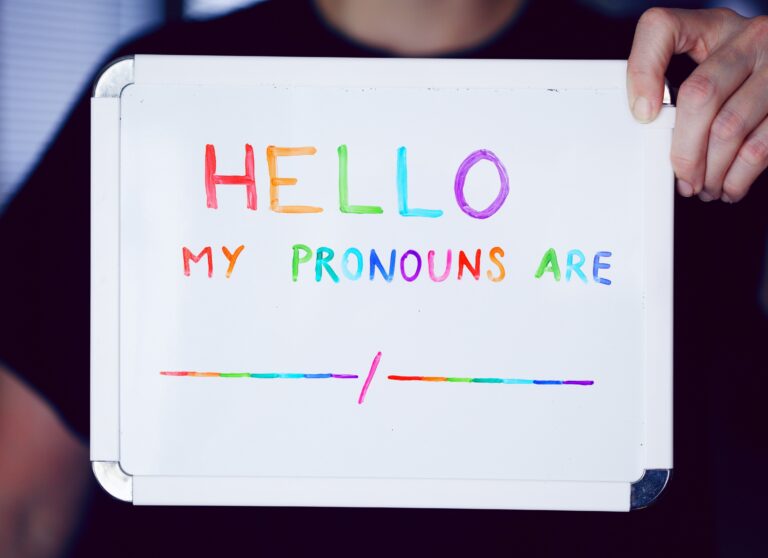
It is often the case that if or when they eventually do “come out” the responses that they receive are much more positive than they expected. However, this cannot be certain and everyone needs to make their own decisions about when, or if, they “come out”. Under no circumstance is it ever acceptable for someone else to “out” a trans person.
Trans Population:
It is estimated that approximately one percent of the population is trans in some form. The incidence of those who wish to undertake gender reassignment surgery is considerably lower, estimated at between one in five thousand and one in ten thousand of the population (www.gires.org.uk).
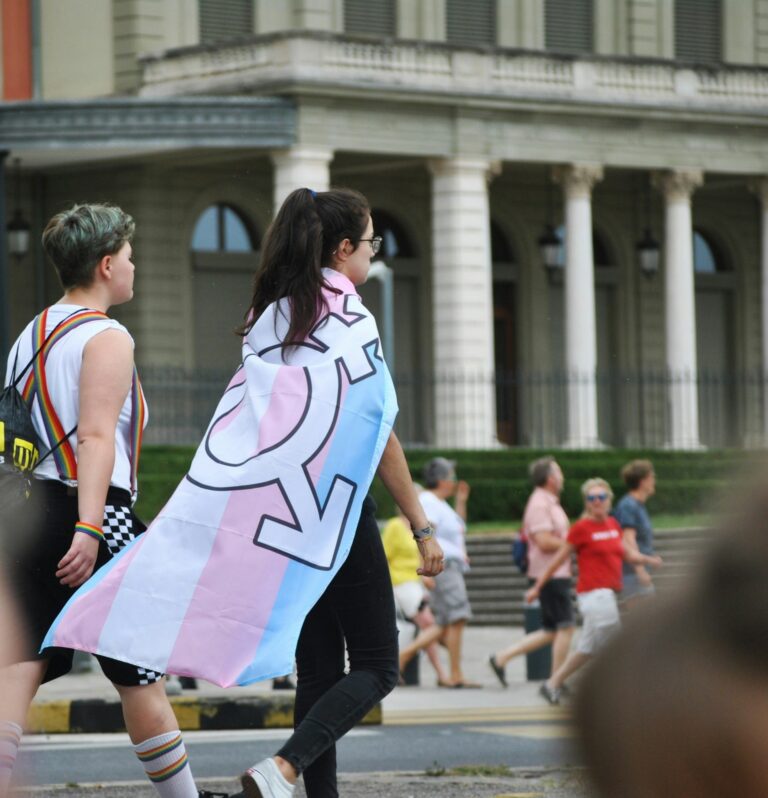
As many trans people remain in utmost secrecy for fear of censure or ridicule the actual figure may be considerably higher, while those who have overcome this fear can be said to have ‘come out of the closet’. Many feel a sense of completeness for the first time in their adult lives.
Aspects of Being Trans:
The desire to experiment with gender identity often begins at an early age when the only available clothes are those belonging to other members of the family. Consequently, a child feeling such pressures may suffer feelings of isolation, guilt and shame.
Gender incongruence is a form of behaviour not a disease and, therefore, the term “cure” does not apply. In some cultures, it may be perceived as a harmless quirk. It may, however, be regarded as threatening in a relationship. Often the trans person has avoided telling their partner, believing it may pass once they are in a stable relationship, only to be rediscovered accidentally at a later stage when it re-emerges. The partner may feel let down, confused or angry at not being told, and wonder what other secrets may be hidden away. A partner may react with complete revulsion, leading to separation and divorce. However, it also true that the partner may find the behaviour intriguing, perhaps even stimulating.
Most relationships probably fall between these two scenarios and reach some sort of compromise and tolerance, but not necessarily full approval. Many partnerships do survive to a greater or lesser extent.
If the couple can work together in mutual acceptance of their feelings and to support their partnership, there is a real possibility that the relationship may be strengthened and enhanced. Such people may well develop a better understanding of the complexity of gender issues.Many partners, through lack of knowledge, mistakenly assume a link between gender identity and sexual orientation. More commonly, partners may feel inadequate and believe that, somehow, they have failed their spouse.

Often the most damaging reaction is the feeling of having been deceived and that the secret has gone unshared despite the intimate life they may otherwise have had. Like the trans person themselves, partners may fear adverse reactions from parents, relatives, friends and particularly children of the marriage.It is important to remember that people who cross-dress are primarily individuals and that labelling can do considerable damage.
Individuals should not be categorised and each person should be treated as an individual in their own right. It takes great courage to admit that one is trans. It is quite likely that individuals may initially contact a helping organisation such as the Beaumont Society, a gay helpline or the Samaritans, all well known for their confidentiality.

Gender Reassignment:
Some trans individuals, whether male-to-female or female-to-male, may feel certain from an early age that their true gender identity is at odds with their biological sex
The UK Gender Recognition Act of 2004 provides for formal recognition by means of a Gender Recognition Certificate (GRC) if a person can provide relevant evidence to show they have been living in their chosen gender for at least two years. This also allows for a change of birth certificate.
As a result of the Marriage (Same Sex Couples) Act 2013 and The Marriage and Civil Partnership (Scotland) Act 2014, couples can remain married after a GRC has been issued—if the spouse approves.
Thus, a trans person in effect becomes subject to the standard rules and regulations that govern their acquired gender.

There have been moves in recent years to simplify the process and some of the devolved UK governments have made plans that greatly improve this situation.The Equality Act (2010) gathers together and supersedes a number of previous acts of Parliament and sets out a wide range of anti-discrimination measures (e.g., employment, education, provision of services etc.) for people with ‘protected characteristics‘, which includes gender reassignment.The act states, ‘A person has the protected characteristic of gender reassignment if the person is proposing to undergo, is undergoing or has undergone a process (or part of a process) for the purpose of reassigning the person’s sex by changing physiological or other attributes of sex‘.
The Commons Women and Equalities Select Committee report on Transgender Equality (2015) recommended changing the protected characteristic to ‘gender identity’ which would have protected all trans people; unfortunately, this was not carried through. (Sadly, since the Supreme Court ruling in April 2025 that the legal definition of a woman is based on biological sex has meant many established laws are being challenged:‘Judges say the “concept of sex is binary” while cautioning that the landmark ruling should not be seen as victory of one side over another.Transgender people still have legal protection from discrimination, the court adds’.There is much ongoing in this area and a challenge is being made on the judgement at the European Court of Human Rights).
Appearance is an area of particular concern for trans people. Unfortunately, medical intervention for gender reassignment (whether by hormone treatment or surgery) can only have a limited effect on the appearance of adults. Hair removal by laser or electrolysis and breast implants are generally successful, though vocal cord surgery can be more problematical.
Facial reconstruction—albeit very expensive—can have a significant effect. For transmen the effect of testosterone therapy can have a transforming effect on secondary sexual characteristics such as facial hair and voice pitch and timbre. Surgeons are becoming more successful in phalloplasty operations.
Gender Reassignment Surgery is subject to regret in the same way as any other form of surgery. However, the incidence of regret is much lower than with most other surgeries and is shown from studies to be around 2%. Approximately 1% of those who have had this surgery do proceed to reverse the procedure. However, this has been shown to be largely due to external pressure from family and religious groups rather than from a personal conviction and, further, that roughly half of these will re-transition later.

It should be emphasised that favouring a gender-variant appearance is not in itself a crime. However, the Beaumont Society would advise trans people that, when in public, they should avoid drawing attention to themselves by inappropriate behaviour. This is particularly true when dealing with highly sensitive issues such as the use of public conveniences (particularly in the wake of the Supreme Court ruling).
Many service providers such as beauticians and hairdressers, clothing and shoe shops, holiday rentals and hotel accommodation advertise their goods and services in trans magazines or are indicating they are trans inclusive.Problems are caused not so much by how a person is dressed, but rather how they behave and act. Many companies and shops, of all sizes, have a positive diversity policy towards both staff and customers.